

Discover the artistry of Florida nature photography with Trever Barker Photo Highlights. From elegant wading birds and breathtaking Gulf Coast sunsets to rare wildlife moments captured in perfect light, Trever’s photography celebrates the vivid beauty of Sarasota, Venice, and the surrounding Florida landscape. Explore my fine art prints, wildlife galleries, and custom photo services—where every image tells the story of Florida’s natural wonder. This month, I feature the Grand Great Blue Heron.

Use code CKTRFL for $10.00 off at checkout!
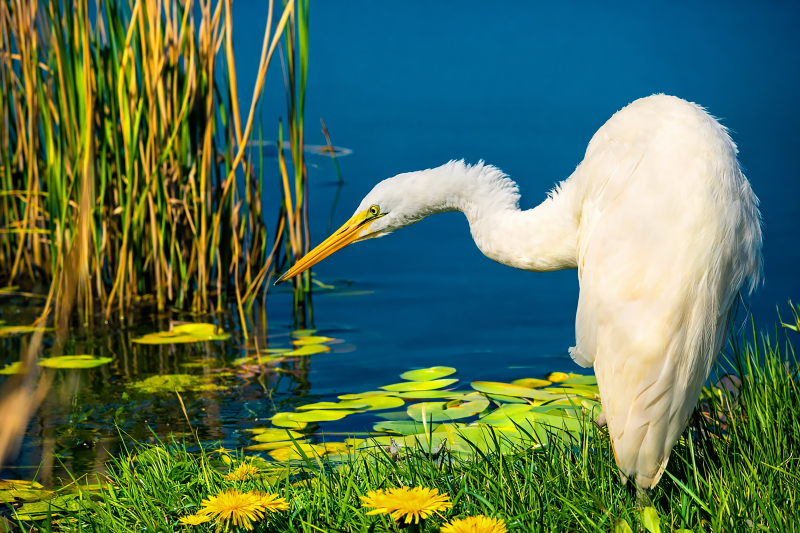
Elevate your space with fine art nature photography featuring the majestic Great White Egret (Ardea alba). Captured in the natural wetlands and coastal landscapes of Southwest Florida, these striking wildlife images highlight the elegance, detail, and quiet power of one of North America’s most iconic wading birds. Perfect for coastal décor, bird lovers, and refined interiors, this nature wall art brings timeless beauty and authentic outdoor moments into your home or office.
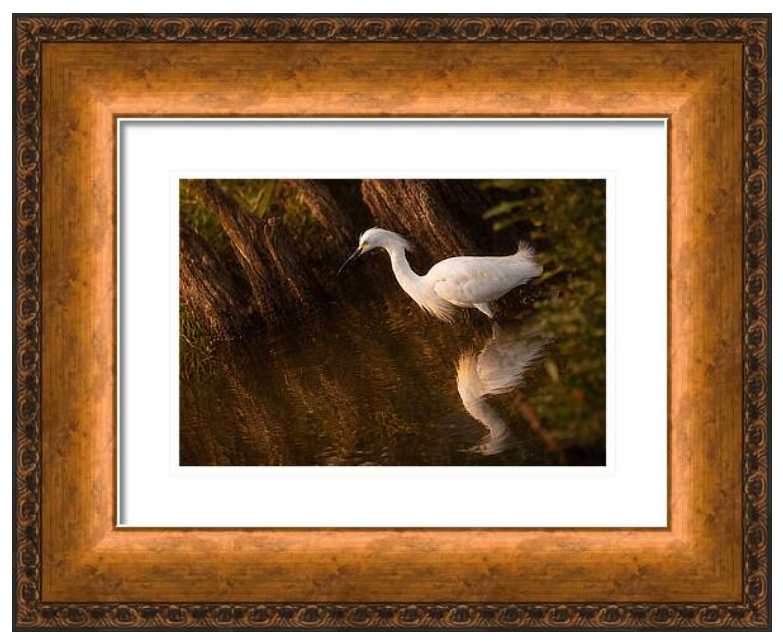
Best Nikon D3200 Settings for Photographing Egrets
1. Use “Aperture Priority” (A Mode) for Most Shots
This gives you control over depth of field and lets the camera handle shutter speed.
Recommended starting point:
-
Aperture: f/5.6–f/8 (depending on your lens)
-
ISO: 200–400 in bright light, 400–800 in shade
This keeps the bird sharp and helps separate it from the background.
✅ 2. Prevent White Feathers From Blowing Out
Great Egrets are very easy to overexpose.
Turn on Exposure Compensation
-
Set –0.3 to –1.0 EV
Start at –0.3 and go lower if the bird looks blown out.
Turn on Highlight Warnings ("blinkies") in playback
If white spots blink during review, reduce exposure more.
✅ 3. Autofocus Settings for Egrets
For standing or slow-moving birds
-
AF-S (Single-servo AF)
-
Center AF point
-
Aim at the eye or head
For flying or active birds
-
AF-C (Continuous AF) – Very important
-
Dynamic-area AF (9-point) if available
-
Keep the focus point on the bird’s upper body
The D3200’s AF isn’t as fast as newer cameras, so tracking is smoother when you start focusing early.
✅ 4. Shutter Speed Guidelines
Stationary or hunting egrets
-
1/500 sec minimum
Walking, striking, or lifting off
-
1/800–1/1250 sec
Flight shots
-
1/1600–1/2000 sec
If shutter speed drops too low in A mode, raise your ISO.
✅ 5. Best Metering Mode
Use CENTER-WEIGHTED metering
This helps avoid the sky blowing out the egret’s feathers.
Avoid: Matrix metering in very bright sunlight — it often overexposes white birds.
✅ 6. Use Burst Mode for Action
-
Switch to Continuous High
-
Hold the shutter to capture wing positions, strikes, feeding moments.
The D3200 buffer is small, so short bursts of 3–5 shots work best.
✅ 7. Recommended Lenses for the Nikon D3200
If you already have a lens, tell me the model and I’ll tailor settings to it.
If not, common birding options include:
Budget-friendly
-
Nikon 70–300mm f/4.5–6.3 VR
-
Tamron 70–300mm VC
-
Sigma 70–300mm OS
Better range
-
Nikon 200–500mm f/5.6 (excellent for birds)
-
Tamron 150–600mm
-
Sigma 150–600mm (C or Sport)
Egrets often allow closer approaches, so 300mm can be enough in many wetlands.
✅ 8. Extra Tips for Egret Photography
Shoot early or late
White birds look best in soft light — less glare, better detail.
Use backlighting for dramatic plumes
Especially during breeding season.
Stay low
Kneeling or sitting gives better reflections and a more intimate perspective.
Watch the histogram
Keep your highlight side from hitting the right edge.
Next week: How to find the best spots where no one goes!
South Florida is a paradise for bird lovers and wildlife photographers alike. From the vibrant pink plumage of the pink Flamingo, to the elegant flight of great egrets and ospreys along the coastline, this region bursts with avian diversity year-round. In this guide, we explore the best birdwatching locations in South Florida, including the Everglades, Corkscrew Swamp Sanctuary, and coastal mangroves, where you can spot both migratory and native bird species. Whether you’re an experienced birder or just starting your photography journey, learn how to identify, photograph, and appreciate the unique birds that make South Florida one of America’s premier birding destinations.

A stunning white egret spreads its wings gracefully above lush green foliage under a bright blue Florida sky. Captured in perfect natural light, this photograph showcases the elegance and beauty of South Florida’s birdlife. The egret’s white plumage contrasts vividly with the tropical greenery, creating a breathtaking wildlife scene that reflects the serenity of nature and the vibrant colors of the region. Ideal for nature lovers, birdwatchers, and wildlife photography enthusiasts.